Why Staying Hydrated Is Essential for Healthy Ageing
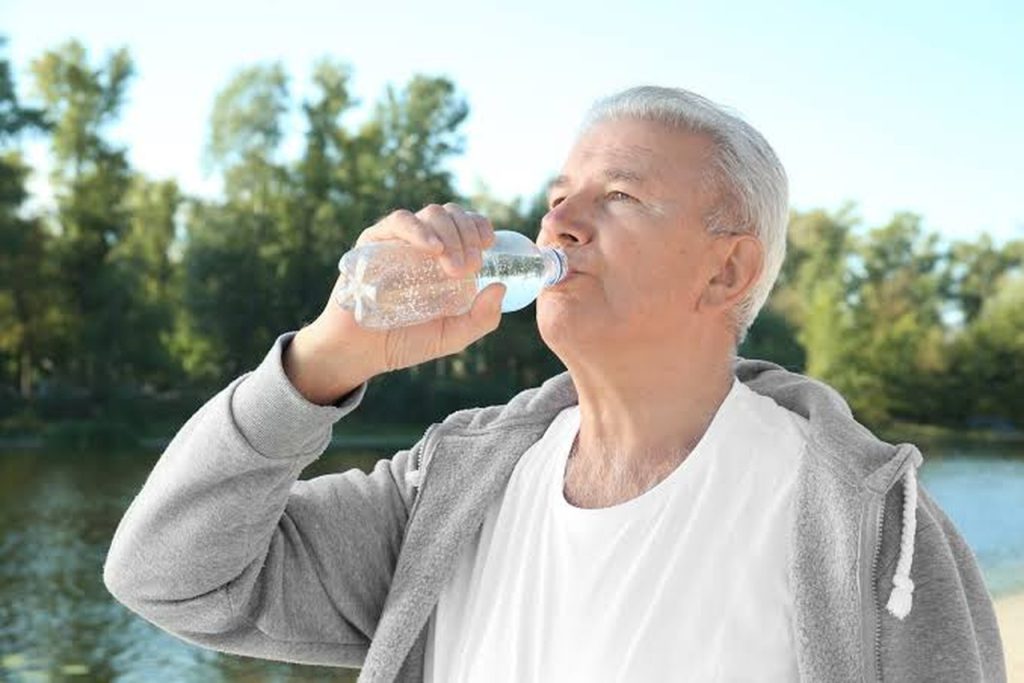
Staying healthy as we age is often associated with eating nutritious food, remaining active and attending regular health checks. However, one simple part of healthy ageing can sometimes be overlooked — drinking enough fluids.
Water is essential for many everyday functions in the body. It helps regulate body temperature, supports digestion, carries nutrients, removes waste and supports normal physical and mental functioning.
For older adults, maintaining good hydration becomes particularly important. Changes associated with ageing can make it easier to become dehydrated, and an older person may not always recognise that they need more fluids.
Understanding why hydration matters, recognising possible signs of dehydration and developing simple drinking habits can help older Australians maintain their health, comfort and independence.
Why Is Hydration Important as We Age?
Our bodies depend on water every day.
According to the Victorian Government’s Better Health Channel, water is needed for many important body functions, including maintaining body temperature, carrying nutrients and oxygen to cells, supporting digestion, removing waste and lubricating joints.
The body cannot store enough water to meet all of its ongoing needs, which means fluids need to be regularly replaced.
Good hydration can also support normal bowel function and brain function and help reduce the risk of problems such as urinary tract infections and kidney stones.
For older Australians, these benefits make regular hydration an important part of maintaining overall wellbeing.
Why Are Older Adults More at Risk of Dehydration?
Dehydration occurs when the body does not have enough fluid to function normally.
Although dehydration can affect anyone, older adults can be particularly vulnerable.
Reduced Sense of Thirst
One important reason is that the body’s thirst response can become less effective with age.
An older person may therefore need fluids even when they do not feel particularly thirsty.
Healthdirect advises older adults not to rely solely on feeling thirsty as a signal to drink.
Building regular drinking into the daily routine can therefore be helpful.
Changes in Kidney Function
Kidney function can change as we age.
The kidneys play an important role in managing fluids and removing waste from the body, so age-related changes can make maintaining the right fluid balance more challenging.
Reduced Mobility
For someone with limited mobility, getting a drink may not be as simple as walking into the kitchen and filling a glass.
An older person may also intentionally drink less because getting to the toilet is difficult or because they are concerned about continence.
Restricting fluids for this reason, however, can increase the risk of dehydration.
Medicines
Certain medicines may also contribute to dehydration.
Healthdirect identifies medicines such as diuretics and laxatives as possible risk factors for dehydration in older people.
Medication should never be stopped or changed simply because of concerns about hydration. Questions about medicines and fluid intake should be discussed with a GP, pharmacist or other qualified healthcare professional.

What Are the Signs of Dehydration in Older Adults?
Recognising dehydration early is important because symptoms can sometimes be mistaken for general tiredness or simply “getting older.”
Possible signs can include:
- Feeling thirsty
- Dry mouth, lips or tongue
- Dark-coloured urine
- Headaches
- Tiredness
- Weakness
- Dizziness or light-headedness
- Irritability
- Confusion
Healthdirect also advises that severe dehydration can cause dizziness and collapse and can become life-threatening, particularly for vulnerable people such as older adults.
Changes in an older person’s usual behaviour should therefore not automatically be dismissed as part of ageing.
If someone suddenly becomes confused, extremely weak, collapses or appears seriously unwell, appropriate medical assistance should be sought.
How Can Dehydration Affect Healthy Ageing?
Hydration is closely connected with several areas that are particularly important for maintaining independence later in life.
Increased Risk of Falls
Falls are a significant concern for older Australians.
Dehydration can cause symptoms such as weakness, dizziness and light-headedness. These symptoms can make maintaining balance and moving safely more difficult.
The Better Health Channel identifies falls and functional decline among the potential consequences of dehydration in older people.
Maintaining good hydration is therefore one of many factors that can contribute to safer everyday movement.
Confusion and Cognitive Function
The brain also depends on adequate hydration.
Dehydration can contribute to confusion and changes in mental functioning, particularly among older people.
However, sudden confusion can have many possible causes and should be taken seriously. Medical advice should be sought when there is a significant or unexplained change in someone’s mental state.
Constipation
Good hydration helps support normal bowel function.
Not drinking enough fluids can contribute to constipation, which can already become more common as people age.
Combining appropriate fluid intake with a balanced diet and suitable physical activity can help support digestive health.
Urinary and Kidney Health
Adequate hydration also supports the kidneys and urinary system.
Healthdirect notes that not drinking enough water is associated with problems including urinary tract infections and kidney stones.
How Much Should Older Adults Drink?
There is no single amount that is right for every older person.
Individual fluid requirements can vary according to:
- Age
- Body size
- Diet
- Physical activity
- Weather
- Medical conditions
- Medicines
- Advice from healthcare professionals
As a general Australian guide, Healthdirect states that adult females need approximately 8 cups (2.1 litres) of fluids per day, while adult males need approximately 10 cups (2.6 litres).
An Australian cup is approximately 250 mL.
These figures are general guidance rather than individual medical recommendations.
Some people with kidney, heart or other health conditions may be advised to restrict or carefully manage their fluid intake.
Always follow individual advice provided by a GP or healthcare professional.
Does Hydration Have to Come From Water?
Plain water is an excellent choice for staying hydrated, but it is not the only source of fluids.
Healthdirect explains that drinks and foods such as milk, tea, coffee and soup can also contribute to daily fluid intake.
Foods with a naturally high water content can contribute as well.
For an older person who does not particularly enjoy plain water, having some suitable variety may make maintaining fluid intake easier.
Individual dietary requirements and medical advice should always be considered.
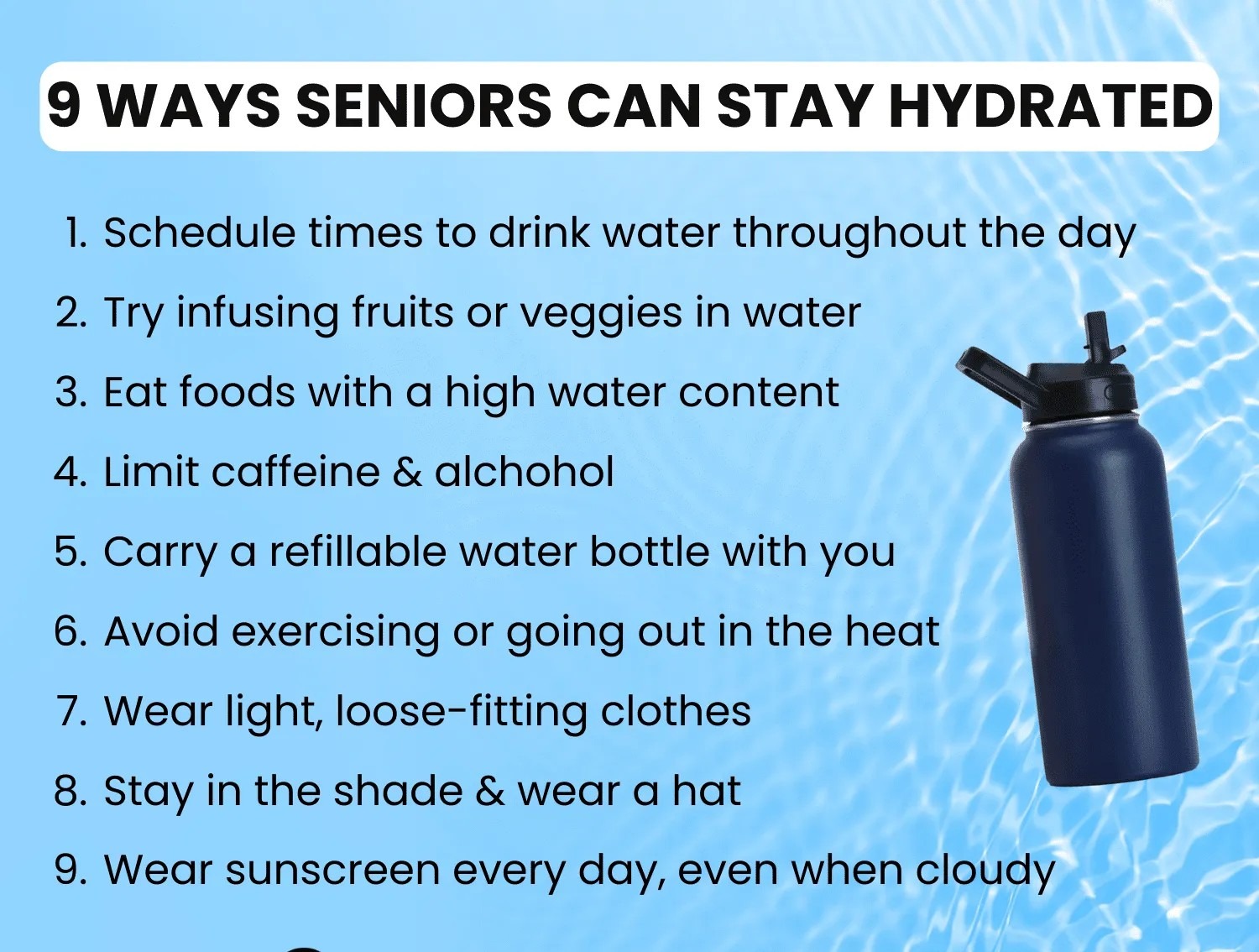
Simple Ways to Stay Hydrated Throughout the Day
Maintaining hydration does not necessarily require major changes.
Small, consistent habits can make drinking regularly much easier.
Try:
- Keeping a glass or bottle of water within easy reach
- Having a drink with meals and snacks
- Drinking regularly instead of waiting until you feel thirsty
- Offering preferred drinks where appropriate
- Including suitable hydrating foods
- Having a drink before and after outings
- Using reminders if remembering to drink is difficult
- Paying additional attention during hot weather
For families and carers, simply offering a drink regularly can also help.
The goal is to make hydration part of the person’s normal daily routine.
Hydration During Hot Australian Weather
Australian summers can make maintaining hydration particularly important.
The body loses additional fluid through sweating in hot conditions, and older people may already have a reduced thirst response.
During hot weather, consider whether an older family member:
- Has easy access to drinking water
- Is drinking regularly
- Has access to a cool environment
- Is wearing suitable clothing
- Is avoiding unnecessary exposure to extreme heat
- Appears unusually tired, dizzy or confused
The Victorian Better Health Channel identifies older people as one of the groups at greater risk of dehydration.
Extra attention to fluids during warm weather can therefore be an important part of supporting older people living independently at home.
What If Someone Avoids Drinking Because of Toileting Concerns?
Some older people intentionally drink less because they are worried about needing to use the toilet frequently.
They may have continence concerns, limited mobility or difficulty reaching the bathroom independently.
Although these concerns are understandable, deliberately restricting fluids can contribute to dehydration.
Rather than simply reducing fluid intake, the underlying problem should be discussed with an appropriate healthcare professional.
Depending on the person’s needs, continence advice, mobility assistance, personal care or other supports may make managing everyday routines easier.
How Families and Carers Can Support Good Hydration
Family members and carers can play an important role in supporting healthy hydration habits.
This does not necessarily mean constantly monitoring how much someone drinks.
Simple approaches can include making drinks easily accessible, offering fluids during visits or meals, noticing changes in normal routines and encouraging regular drinks during hot weather.
It is also important to respect the older person’s preferences and independence.
For someone receiving support at home, hydration can form part of broader conversations about nutrition, personal care, mobility and general wellbeing.
When Should You Seek Medical Advice?
If you are concerned that an older person may be dehydrated, encourage appropriate fluids where it is safe to do so and seek medical advice if their condition does not improve.
Healthdirect recommends seeking medical advice when someone showing signs of dehydration is not getting better.
Severe dehydration can be serious.
If an older person collapses, becomes seriously unwell or requires emergency assistance, call Triple Zero (000).
People who have been advised to restrict fluids because of a medical condition should follow the specific instructions provided by their healthcare team.
Supporting Healthy Ageing at Home
Healthy ageing is not always about making major lifestyle changes.
Sometimes it is the simple everyday habits — eating well, staying connected, moving safely and drinking enough fluids — that can make an important contribution to overall wellbeing.
At My Help Services, we understand that every older person’s needs and daily routine are different.
Depending on an individual’s assessed needs, approved Support at Home services and circumstances, support may include personal care, domestic assistance, meal-related support, shopping assistance, transport, companionship and social support, respite care and other approved in-home services.
Our goal is to help older Australians maintain their independence, dignity and choice while continuing to live comfortably in their own homes.
If you or a family member need additional support at home, speak with the My Help Services team about the services available to you.
My Help Services — Always Here for You.
References
Information in this article is based on Australian health information from Healthdirect Australia, the Victorian Government Better Health Channel, and Australian Government health guidance.
Disclaimer: This article provides general information only and should not replace individual medical advice, diagnosis or treatment. Fluid requirements can vary, particularly for people with certain medical conditions or taking particular medicines. Always follow advice from your GP or healthcare professional.
Reference links
These are strong Australian sources to place at the bottom of the article:
- Healthdirect Australia – Drinking Water and Your Health — covers recommended fluid intake, dehydration, older-adult risk factors and common health effects. Healthdirect
- Healthdirect – Dehydration — covers dehydration symptoms, older adults, medicines, confusion, constipation and falls. Healthdirect
- Healthdirect – Healthy Eating Over 60 — specifically explains hydration for people over 60, reduced thirst, fluid recommendations and suitable fluid sources. Healthdirect
- Victorian Government Better Health Channel – Water: A Vital Nutrient — covers the role of water, recommended intake, dehydration symptoms and risks for older people. Better Health Victoria
- Australian Dietary Guidelines – Department of Health — includes specific information about why older people are vulnerable to dehydration and possible consequences. Department of Health
