

Gardening Safely This Summer: Essential Tips for Older Australians
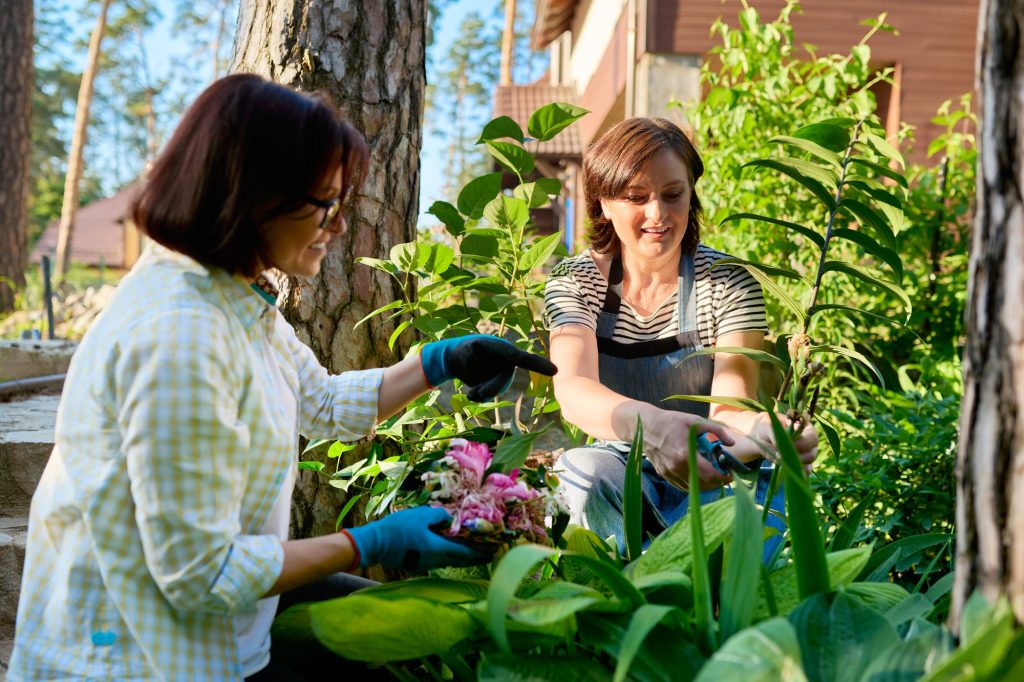
Gardening can be one of the most enjoyable ways to spend time outdoors. For many older Australians, looking after flowers, vegetables or a favourite garden provides a sense of purpose, encourages gentle physical activity and creates an opportunity to enjoy fresh air.
However, gardening during an Australian summer also brings some additional risks.
Hot temperatures, strong sunlight, dehydration, physical strain and uneven outdoor surfaces can make gardening more challenging as we age.
The good news is that you do not necessarily need to give up something you enjoy. With sensible planning and a few simple precautions, gardening can continue to be an enjoyable part of healthy ageing.
Here are some practical ways older Australians can garden more safely during summer.
Choose the Right Time of Day
One of the simplest ways to make summer gardening safer is to avoid working outside during the hottest part of the day.
The Australian Government’s Healthdirect advises that during very hot weather, people should try to avoid being outside during the hottest part of the day and plan activities for cooler periods.
Consider gardening earlier in the morning or later in the day when conditions are more comfortable.
On days of extreme heat, it may be better to postpone gardening altogether.
Checking the weather forecast before heading outside can help you decide whether conditions are suitable.
Protect Yourself From the Sun
Australia has some of the highest levels of ultraviolet (UV) radiation in the world, making sun protection particularly important when spending time outdoors.
Cancer Council recommends using a combination of sun protection measures when UV levels are 3 or above.
When gardening, consider:
- Wearing a broad-brimmed hat
- Wearing lightweight clothing that covers your skin
- Applying broad-spectrum, water-resistant SPF50 or SPF50+ sunscreen
- Wearing sunglasses
- Working in shaded areas where possible
Remember that UV radiation cannot always be judged by temperature. A cooler or cloudy day can still have high UV levels.
Keep Fluids Nearby
Gardening can involve more physical activity than we realise.
Digging, watering plants, moving pots and pulling weeds can increase fluid loss, particularly during warm weather.
Older people can also be more vulnerable to dehydration because the sensation of thirst can become less reliable with age.
Keep water easily accessible while gardening and take regular drink breaks rather than waiting until you feel very thirsty.
If you have been given specific instructions about fluid intake because of a health condition, follow the advice of your healthcare professional.
Take Regular Breaks
You do not have to finish the entire garden in one session.
Breaking gardening into shorter periods can help reduce fatigue and physical strain.
For example, instead of spending two hours working continuously, you might complete one small area, take a break in the shade and return later when you feel comfortable.
Listen to your body.
If you feel dizzy, unusually tired, weak, short of breath or unwell, stop gardening and move to a cooler place.
Reduce Bending and Reaching
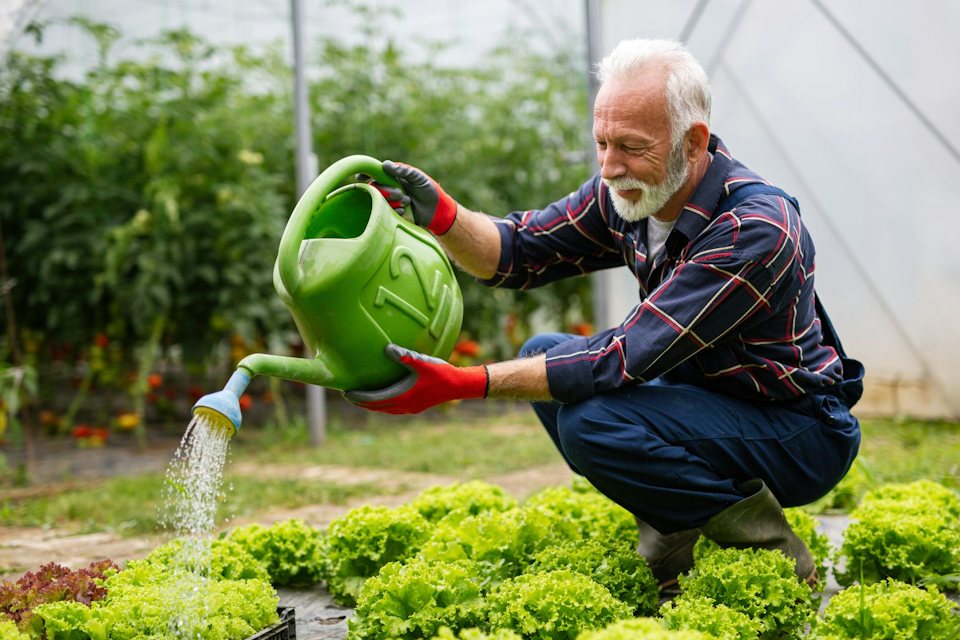
Gardening often involves bending, kneeling and stretching, which can become uncomfortable as mobility changes.
Simple modifications can make gardening easier.
Consider using:
- Raised garden beds
- Pots positioned at a comfortable height
- Long-handled gardening tools
- Lightweight equipment
- A stable gardening seat or bench
Keeping frequently used tools within easy reach can also reduce unnecessary bending and movement.
The goal is to adapt the garden to your abilities rather than forcing your body to work in uncomfortable positions.
Be Careful About Falls
Outdoor areas can contain several potential trip hazards.
Uneven paths, garden hoses, loose tools, wet surfaces, tree roots and garden edging can all increase the chance of a fall.
Before gardening, check that your working area is clear.
Keep hoses and tools away from walking paths and wear supportive, enclosed footwear with appropriate grip.
Avoid climbing unstable chairs or makeshift platforms to reach plants. If a task requires climbing, heavy lifting or working in an unsafe position, consider asking someone else for assistance.
Know the Signs of Heat-Related Illness
Heat can affect anyone, but older adults can be particularly vulnerable during hot weather.
Possible signs of heat-related illness can include:
- Dizziness
- Headache
- Weakness
- Nausea
- Excessive sweating
- Feeling faint
- Confusion
- Increased thirst
If you begin feeling unwell while gardening, stop the activity, move somewhere cool and seek appropriate assistance.
Severe heat-related illness can be a medical emergency. If someone is seriously unwell, confused, collapses or requires urgent assistance, call Triple Zero (000).
Ask for Help With Physically Demanding Tasks
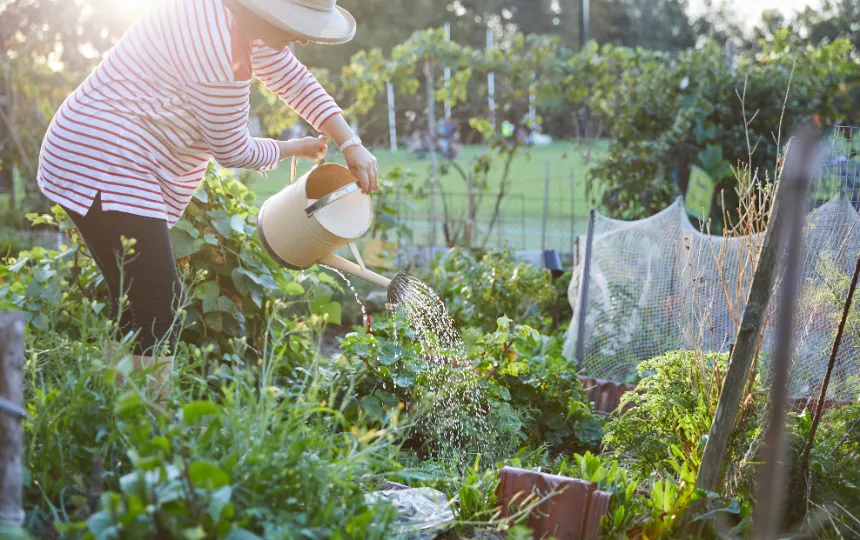
Remaining independent does not mean you have to complete every gardening task yourself.
Activities such as heavy lifting, extensive pruning, moving large pots or physically demanding garden maintenance may become difficult or unsafe.
Getting assistance with these tasks can allow you to continue enjoying the parts of gardening you love.
Depending on an older person’s assessed needs and approved services, some gardening assistance may also be available through aged care programs such as Support at Home.
Continue Enjoying Your Garden Safely
Gardening can provide exercise, enjoyment and a valuable connection with nature. Ageing does not mean you have to stop participating in activities that are meaningful to you.
Small changes — choosing cooler times of day, protecting yourself from the sun, drinking regularly, reducing trip hazards and asking for assistance when necessary — can make summer gardening safer and more enjoyable.
At My Help Services, we support older Australians to continue living independently and participating in the activities that matter to them.
Depending on your assessed needs and approved Support at Home services, assistance may be available with gardening, home maintenance and other everyday living activities.
If you or a family member would like to understand what support may be available, speak with the My Help Services team.
My Help Services — Always Here for You.
References
This article provides general information based on Australian health and safety guidance. Individual health needs and abilities vary, so speak with your healthcare professional if you have concerns about safely undertaking physical activity or spending time outdoors during hot weather.
Reference links
- Healthdirect – Heatstroke and Heat Exhaustion — information about heat-related illness, symptoms and staying safe in hot weather.
- Cancer Council – Preventing Skin Cancer — Australian sun-protection recommendations.
- Better Health Channel – Gardening for Older People — Victorian guidance on the benefits of gardening and ways older people can garden safely.
- Australian Government – Services Under Support at Home — official information about services available through Support at Home.
